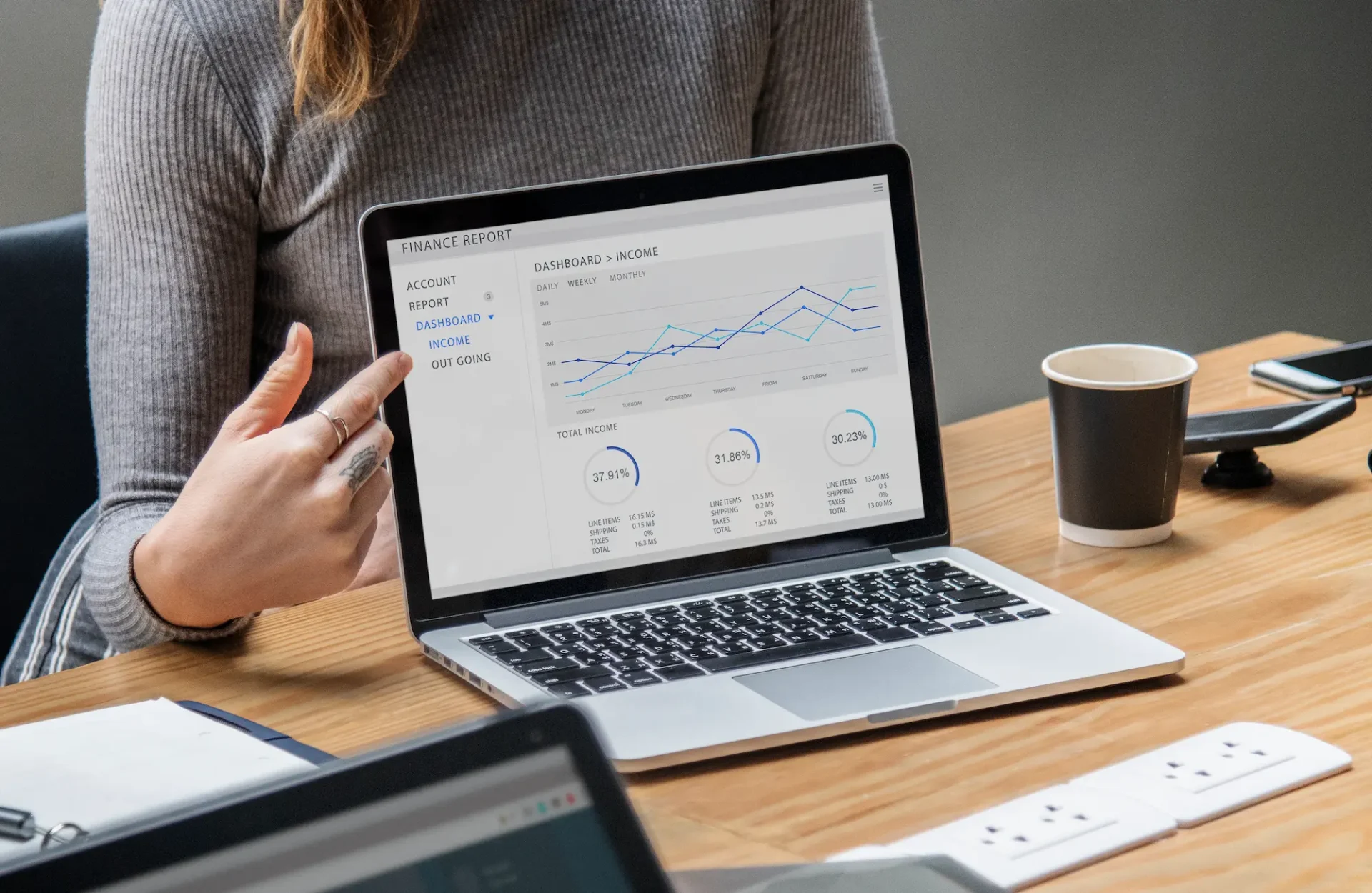
Your Social Media Data Is a Goldmine of Actionable Insights
Social media platforms offer far more than just casual updates; they represent a goldmine of actionable insights.
For businesses, learning to decode this data can mean the difference between simply posting and truly performing on social media.
Whether you are new to digital marketing or looking to sharpen your strategy, this beginner-friendly guide will help you understand what to track, how to measure success, and how to use that data to grow your brand and your Return On Investment (ROI).
Understanding Social Media Analytics
At its core, social media analytics is the practice of collecting, measuring, and interpreting data from your social media platforms. It gives you visibility into how your content is performing, how your audience is interacting with it, and what is actually driving results.
From reach and impressions to engagement rates, click-throughs, saves, and follower growth, analytics turn guesswork into informed decisions. They help you identify what is working, what is not, and where to adjust your strategy for better outcomes.
Understanding these insights allows you to refine your content, improve timing, target your messaging more effectively, and ultimately build a more meaningful and results-driven social presence.
Key Social Media Metrics to Track
To understand what’s working (or what is not working) on social media, monitor the following essential metrics:
- Engagement Rate: Measures the level of interaction (likes, comments, shares) relative to your follower count. A higher rate indicates stronger audience interest and content relevance.
- Reach: The number of unique users who have seen your content. Useful for assessing content visibility and brand awareness.
- Impressions: Total number of times your content is displayed, regardless of whether it was clicked. Helps identify the exposure level, even with repeat views.
- Click-Through Rate (CTR): The percentage of users who clicked on a link in your post. A strong indicator of how effective your calls-to-action (CTAs) are.
- Follower Growth Rate: Tracks how fast your audience is expanding over time. Indicates whether your content and presence are attracting new followers.
- Conversion Rate: Measures how many users take a desired action (e.g., signing up, purchasing) after clicking your social content. Ties social performance directly to business outcomes.
- Video Views and Retention: For video content, how many people watched and how long they stayed engaged. Key for evaluating storytelling and format effectiveness.
Here is a quick-reference guide to the key social media metrics every small business should be tracking. Whether you are refining your strategy or just getting started, save this graphic and keep it handy. It is a useful tool to help you understand what is working, where to focus, and how to measure your progress over time.

Why Does It Matter?
Understanding performance data is crucial.
It shows what is working, but more importantly, what is falling short.
Understanding the data also provides deeper insight into your audience’s behaviour and preferences.
Without this clarity, you risk wasting resources on strategies that do not deliver.
For a real-world example, take a look at our article about Digital Decay, which breaks down how misinterpreting engagement can lead to brand fatigue and follower churn.
Master The Basics: Why Analytics Matters for Every Beginner
You do not need to be a marketing veteran to benefit from analytics.
Here is why even first-time campaigners should take it seriously:
- Data-Informed Strategy: Eliminate guesswork and rely on performance metrics to shape smarter decisions.
- Real Audience Insights: Understand who is engaging with your content and, more importantly, why.
- Better ROI: Allocate your budget more efficiently by optimising what works and cutting what does not.
- Stay Ahead of the Curve: Early detection of negative sentiment allows you to respond strategically and maintain brand reputation.
Recommended Tools for Beginners
You do not need expensive software to start tracking social media performance. Here are some easy-to-use (and mostly free) tools to get started:
- Native Platform Analytics: Tools like Facebook Insights, Instagram Analytics, LinkedIn Analytics, and TikTok Creator Tools provide foundational data.
- Google Analytics: Helps trace user journeys from social media posts to on-site activity.
- Hootsuite / Buffer (Free Versions): Offer streamlined dashboards to centralise and simplify your data tracking efforts.
If you are just getting started, these tools will help you build a solid foundation.
Just make sure you are also avoiding common pitfalls that could undermine your efforts.
Take a look at our guide on: Social Media Mistakes That Are Killing Your Engagement to learn what to steer clear of as you grow.
Social Media Strategy 101: Practical Tips to Start Strong and Grow Smarter
- Limit Your Platforms: Focus on one or two platforms initially to avoid spreading yourself too thin.
- Set Clear Goals: Are you chasing more engagement, website clicks, or leads? Know your “why.”.
- Maintain a Regular Check-In Schedule: Weekly reviews can uncover patterns and trends without becoming burdensome.
- Test, Learn, Improve: Test various content formats, posting times, and messaging styles. Growth often comes from trial and error.
Final Thoughts
Social media analytics is not just a helpful tool; it is an essential component of a modern marketing strategy.
Even for beginners, a data-driven approach offers clarity, direction, and measurable outcomes.
Start small, stay curious, and let the numbers guide your next move.
Ready to get more out of your content?
At Click Marketing, we turn your numbers into next-level results.
Let us chat about what your data is saying.